

Systems Integration
Make separate systems work as one.
We design and coordinate complex, multi-vendor technology environments so responsibilities are clear, systems connect correctly and delivery remains controlled.
- Discover
- Architect
- Integrate
- Validate
- Operate
19 capabilities in scope · outcomes below
The problem we remove
When every technology domain has a different supplier, gaps appear at the boundaries. Nexa Tech provides one integration layer across design, implementation, testing, handover and ongoing support.
What you get
- 01Clear accountability across the complete technology scope
- 02Fewer integration gaps between suppliers and systems
- 03A coordinated architecture rather than isolated products
- 04Structured testing, commissioning and handover
- 05A practical path from project delivery to managed operation
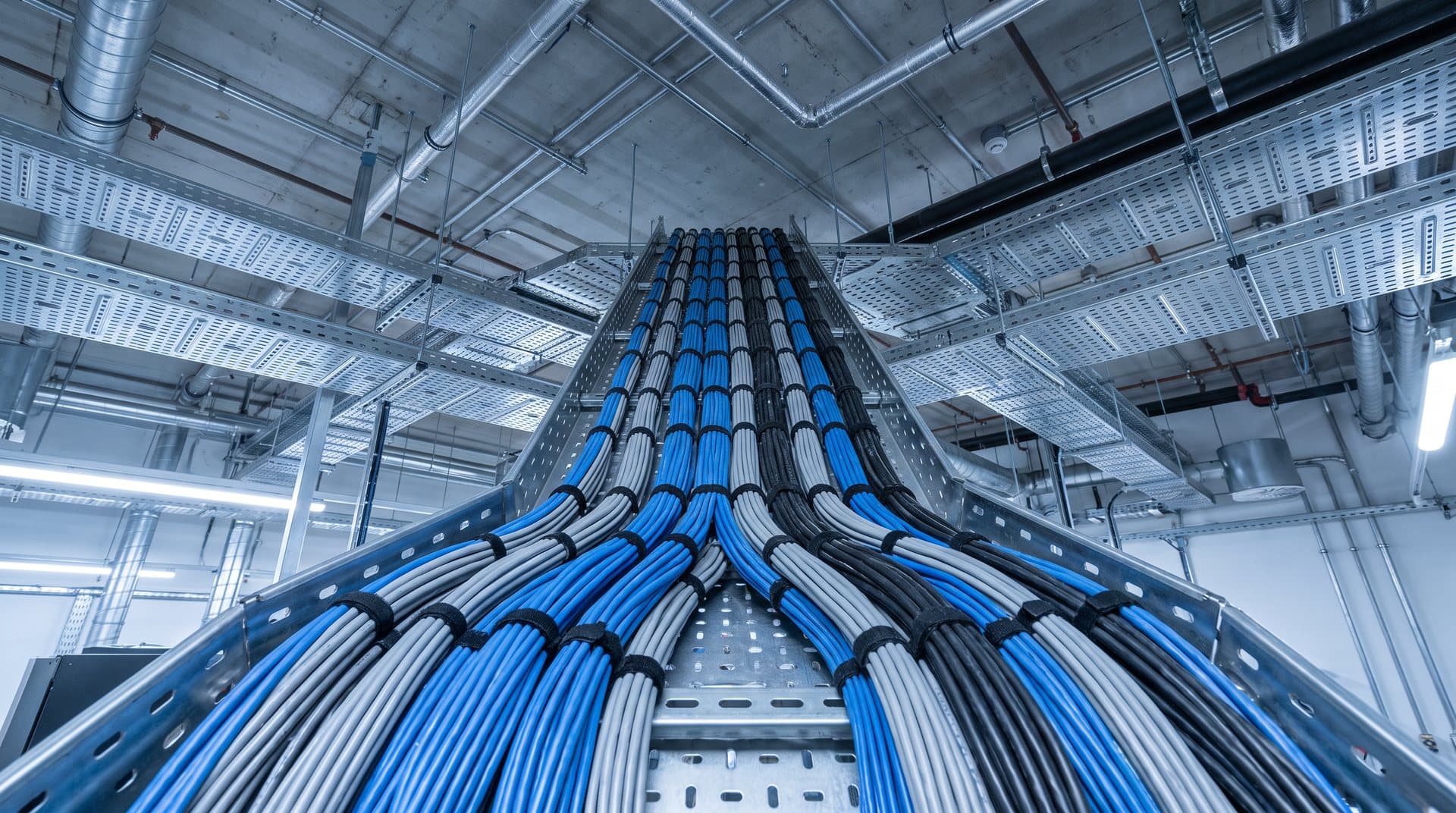
The integration boundary
Select a domain to see what sits inside the boundary.
Networks & infrastructure
Structured cabling, routing, wireless and compute designed as one estate rather than separate installations.
Outcome: Reliable connectivity across sites and operational areas
Explore this capabilityProcess
A controlled sequence, end to end.
Discover
Existing systems, data flows, contracts, support arrangements and operational constraints are mapped.
Architect
The target architecture defines how technology domains should interact, and interface responsibilities are assigned.
Integrate
During implementation, integration risks are tracked alongside programme risks rather than handled separately.
Validate
Acceptance tests are written around business and operational outcomes rather than isolated product checks, and testing runs progressively rather than being saved for the final week.
Operate
Handover includes configuration records, ownership, escalation routes and known limitations.
This sequence is set out in Why fragmented technology environments create operational risk.
Systems we deliver
Platforms we design, integrate and support.
Systems · 04
Capabilities
What this service covers.
- Multi-vendor network and infrastructure integration
- ICT and building-technology convergence
- Clinical and healthcare systems interoperability
- Physical and cyber security coordination
- Cloud-to-premises integration
- Programme governance, testing and commissioning
- Vehicle and pedestrian entry control: ANPR, rising arm barriers, road blockers, bollards, gates and turnstiles
- Biometric and facial recognition readers where a card alone is not enough
- Thermal imaging cameras for detection in darkness and adverse weather
- Interfaces to fire detection systems, with responsibility for each boundary named
- Intercom, door entry and visitor management at building entrances
- Digital signage, video walls, LED display walls and IPTV distribution
- Queue management and ticketing in public-facing service areas
- Master clock systems giving one synchronised time reference across a site
- Room booking and meeting-space control, with guest-room automation where the environment calls for it
- Uninterruptible power supplies and central battery systems sized to the loads they protect
- Integrated command-and-control rooms combining security, building and operational systems
- Enterprise application, API and middleware integration
- Workflow, approval and alerting automation across connected systems
Next step
Bring the complete environment into one conversation.
Tell us what you are planning, replacing, integrating or trying to stabilise. We will help define the right next step.